


How to Overcome Impostor Syndrome (Even When You Don’t Feel Ready)
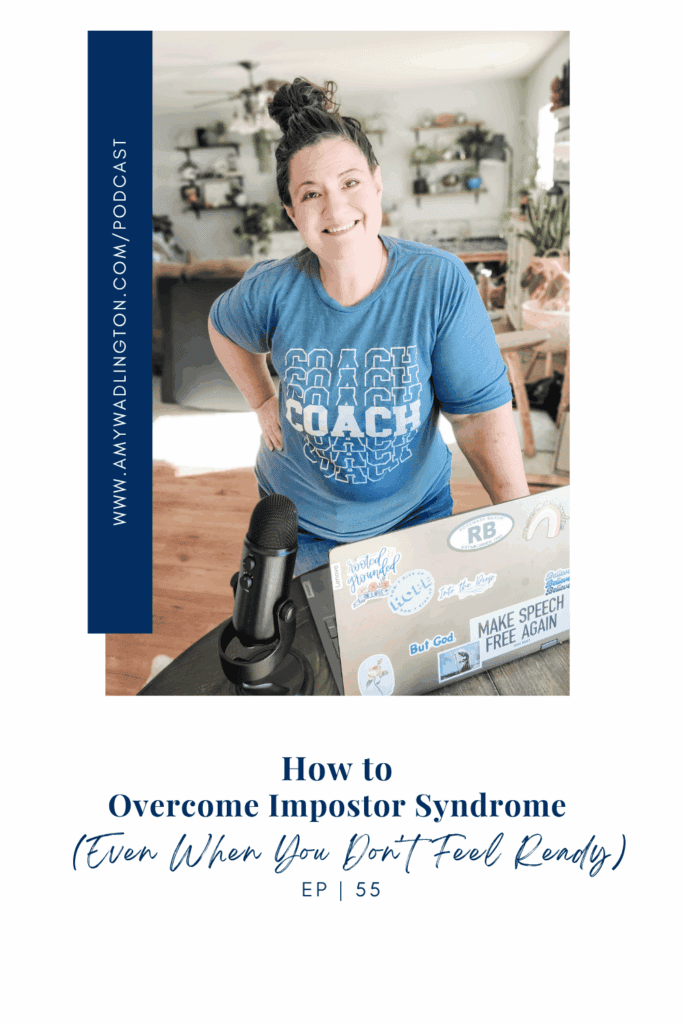
If you’ve ever wondered how to overcome impostor syndrome, you’re not alone. That sinking feeling that you’re just pretending… that any moment someone will realize you’re not actually qualified… it’s more common than you think, especially among Christian women who feel called to something greater. As a Christian life coach, I’ve seen it show up in the most unexpected moments: after a win, during a breakthrough, or right when someone is about to step fully into their calling. In this post, we’re digging into what impostor syndrome really is, why it happens, and how to overcome it using both biblical truth and practical strategies that actually work.
If you’ve ever accomplished something—launched the thing, led the group, wrote the post—and still felt like a total fraud… you’re not the only one.
In fact, you’re exactly who this post is for.
As a Christian life coach, I’ve watched smart, Spirit-filled women crumble under the weight of imposter syndrome. Women who are clearly called, capable, and committed… but still carry that nagging thought:
“What if I’m not enough?”
“What if I’m not spiritual enough?”
“What if they figure out I don’t actually know what I’m doing?”
The hard part?
That voice doesn’t always disappear once you start doing the thing.
Sometimes… most of the time…. it gets louder.
What Is Impostor Syndrome?
Impostor syndrome is the belief that you’re not actually qualified or capable, despite clear evidence that you are.
You might feel like you’re just pretending, and eventually someone’s going to “find you out.”
Common signs include:
- Over-preparing for everything
- Dismissing your wins as “luck”
- Feeling like you don’t deserve your success
- Avoiding action unless you feel 100% ready
- Shrinking back when you should be stepping up
As a Christian woman, this gets even trickier. Because we’re taught to be humble, right? We don’t want to seem prideful, arrogant, or self-promoting. But what starts as humility often spirals into self-doubt, and that’s not biblical either.
Why It Hits Christian Women So Hard
There’s a spiritual layer to imposter syndrome that we don’t talk about enough.
It’s not just a mindset issue. It’s a tactic.
And if the enemy can’t steal your calling, he’ll try to convince you you’re not ready for it.
He whispers lies like:
- “Someone else could do this better.”
- “You’re too late.”
- “You should have it all together before you help anyone else.”
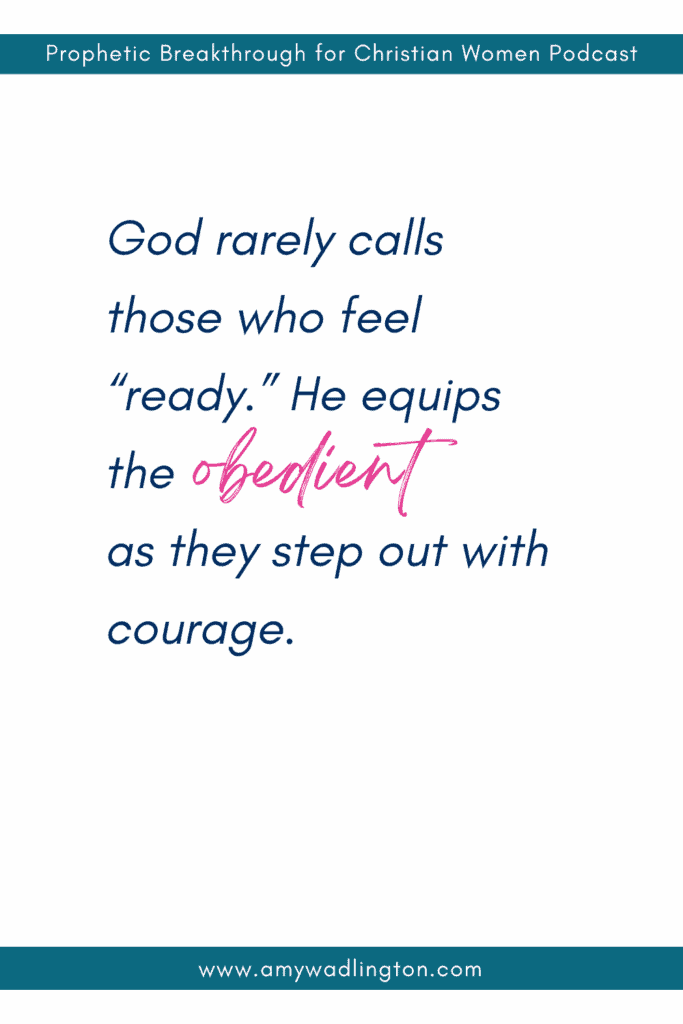
We’re also told to “get it right” before we move forward. But friend, God rarely calls those who feel “ready.” He equips the obedient as they step out with courage.
My Personal Struggle With Feeling Like a Fraud
When I released my first book, I should’ve been celebrating.
I had followed through. Obeyed the nudge. Launched something I’d poured my heart into.
But instead of confidence, I felt panic.
The inner critic was LOUD:
“No one’s going to read this.”
“Your pastor was just being nice.”
“It’s not actually that good.”
And even though I was technically a “published author,” I didn’t feel like one.
My external reality said “success.”
My internal reality said “fraud.”
Overcoming Impostor Syndrome: 6 Steps That Actually Help
Whether you’re a new business owner, a ministry leader, or just trying to obey God in a scary area of life—these steps can help you move forward, even when your inner critic is screaming.
1. Normalize the Experience
Almost everyone faces impostor syndrome at some point—especially high-achieving women.
You’re not broken. You’re not faking it. You’re just growing.
2. Name the Lie
What thought is keeping you stuck?
Is it:
- “I don’t know enough”?
- “I’m not ready”?
- “They’ll find out I’m a mess”?
Write it down. Don’t let it stay vague. Clarity helps you fight back.
3. Collect the Evidence
Start a “truth file.”
Every kind message, every win, every confirmation—save it. Screenshots, journal entries, testimonies.
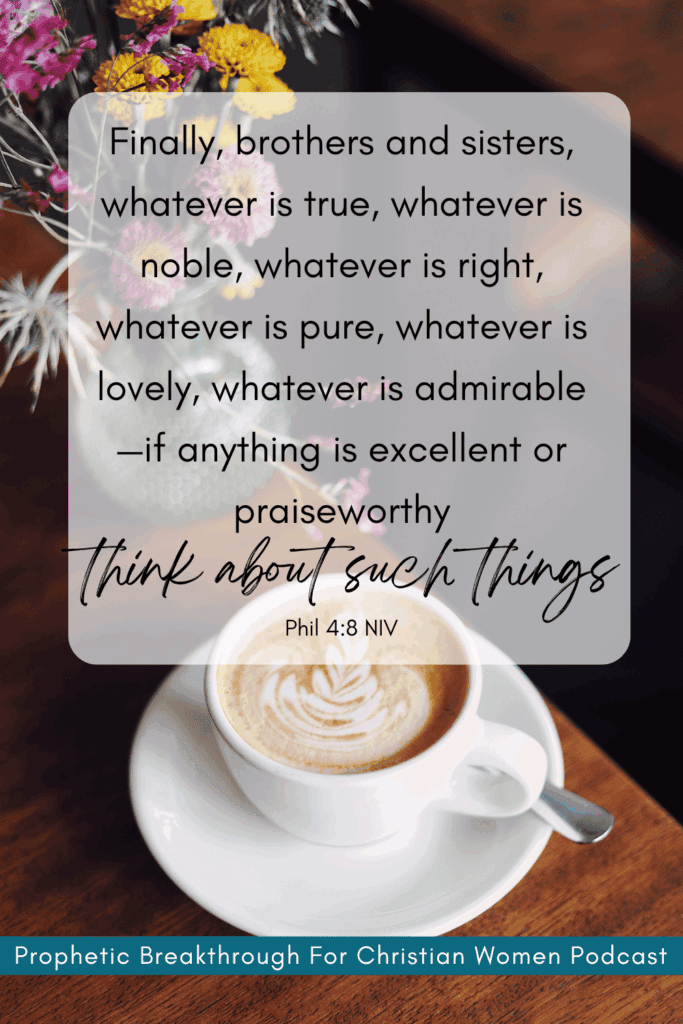
Philippians 4:8 reminds us to think about what is true, noble, and praiseworthy. Start there.
4. Reframe the Thought
Ask: Would I say this to a friend?
If not, it doesn’t belong in your head either.
You can also use the SBNRR method:
Stop. Breathe. Notice. Reflect. Respond.
A few deep breaths can shift your mindset before it spirals.
5. Root Your Identity in Christ
Your worth isn’t in your performance.
It’s in the One who called you.
Colossians 3:3 says, “…your life is hidden with Christ in God.”
You are already covered. Already equipped. Already enough.
6. Take Aligned Action Anyway
Confidence doesn’t come before the leap. It comes after.
You don’t need to wait to “feel ready.” Just move forward with what God gave you.
A Final Reminder
Impostor syndrome may show up on your journey—but it doesn’t get to drive.
As a Christian life coach, I see this all the time: women on the edge of breakthrough, stuck not because they’re unqualified—but because they’re unconvinced.
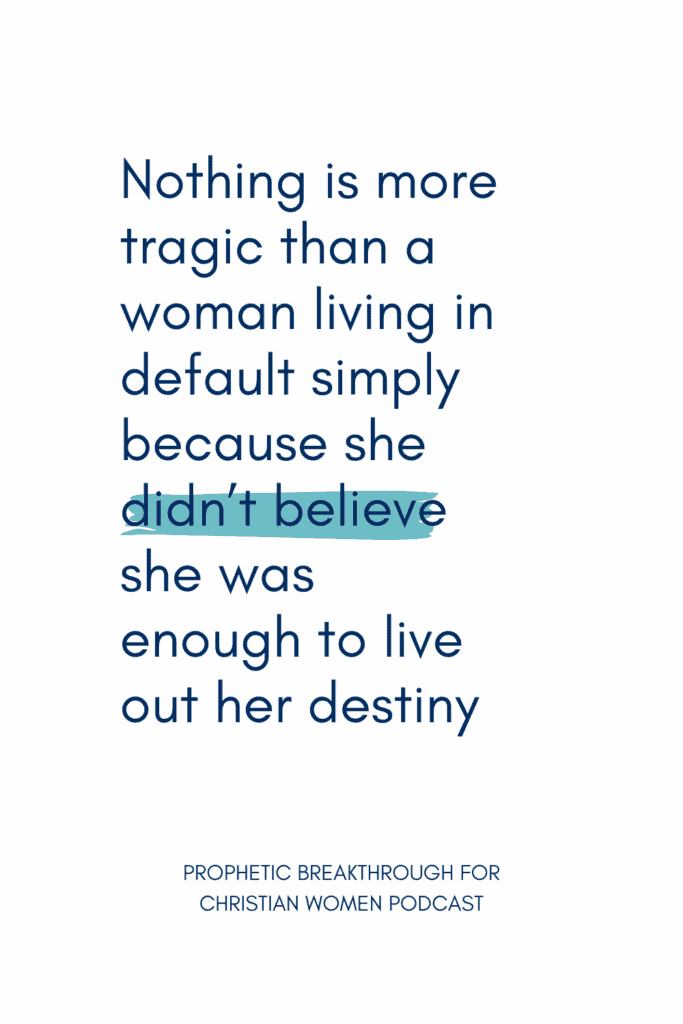
Nothing is more tragic than a woman living in default simply because she didn’t believe she was enough to live out her destiny.
Don’t let that be your story.
FAQ: Overcoming Impostor Syndrome
What is impostor syndrome?
Impostor syndrome is the belief that you’re not truly capable or qualified, even when there’s clear evidence you are. It creates anxiety and holds you back from walking confidently in your calling.
Is it common among Christian women?
Yes. Many Christian women struggle with imposter syndrome because of spiritual pressure to “get it right,” confusing humility with self-doubt, and believing lies about their worth or readiness.
Can a Christian life coach help with imposter syndrome?
Absolutely. A Christian life coach can help you identify the lies, renew your mindset, and take action rooted in biblical truth—not fear or perfectionism.
How do I stop feeling like a fraud?
Start by naming the lie, replacing it with truth, gathering evidence of your progress, and taking small, obedient steps—even when you don’t feel ready.
What’s one verse I can meditate on when I feel like a fraud?
2 Timothy 1:7 – “For God has not given us a spirit of fear, but of power and love and a sound mind.”

Leave a Reply


Most Binge-Worthy Episodes
The Go-To Podcast with prophetic insight to help women break free from fear, overwhelm, and confusion—so they can step boldly into their God-given calling with peace and clarity.
57
LIVE COACHING: How to Find Breakthrough When You’re Overwhelmed and Stuck
From Self-Doubt to Breakthrough: Kristin’s Story of Clarity and Trusting God
Exhausted and Ready to Quit? Build Self-Confidence by Trusting God
Stuck Between the Dream and Breakthrough? The #1 Courageous Shift That Changes Everything
Impostor Syndrome Blocking Your Clarity? How to Move Forward in God’s Plan
84
55
87
65
TOP
2.5%
Global Ranking
88
Spiritual Warfare 101: How to Fight Back With Faith, Authority, and Confidence

I'm Amy and I help ambitious women of faith breakthrough, get more energy & clarity, stop cravings, and finally feel good again!
Read more about me

I'm so glad you're here
Hello!
For tips and updates follow me on Insta @amywadlington
find me on

© 2026 Amy Wadlington. all rights reserved. made with Love In Colorado privacy policy
Website Design & SEO Amy Wadlington, Christian Life Coach

Praying for clariy but still feel stuck?
Then the Clarity Bootcamp is for you.
April 7th and 8th